Choosing a hunting rifle involves more than selecting a manufacturer or comparing prices. Different rifle designs have distinct characteristics, and understanding those differences can help hunters evaluate which features matter most for their intended activities.
Three of the most familiar hunting rifle categories are bolt-action, lever-action, and semi-automatic rifles. Each has a long history in sporting use, with different approaches to operation, construction, maintenance, and handling.
Bolt-Action Hunting Rifles
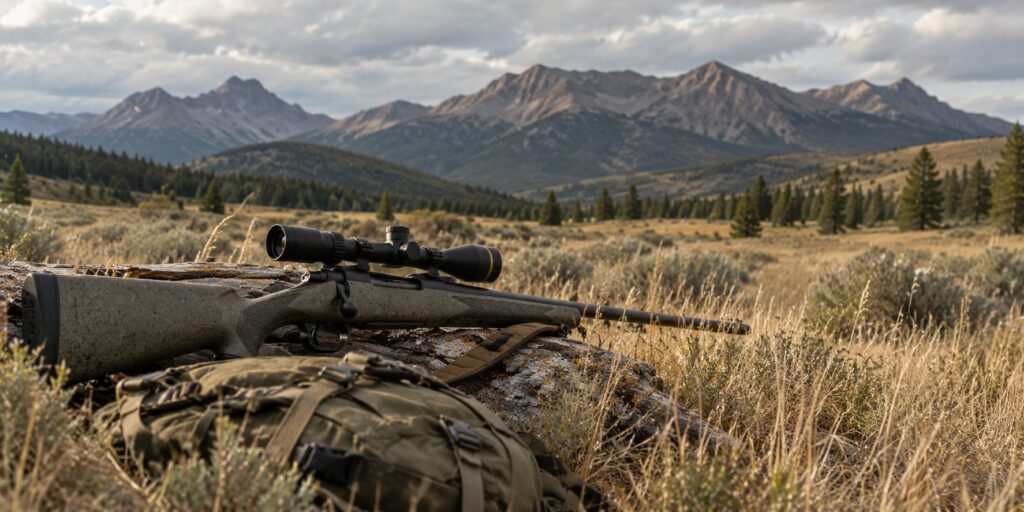
Bolt-action rifles have been a fixture of North American hunting for generations. Their mechanically straightforward design, broad range of factory configurations, and established sporting history make them a familiar category.
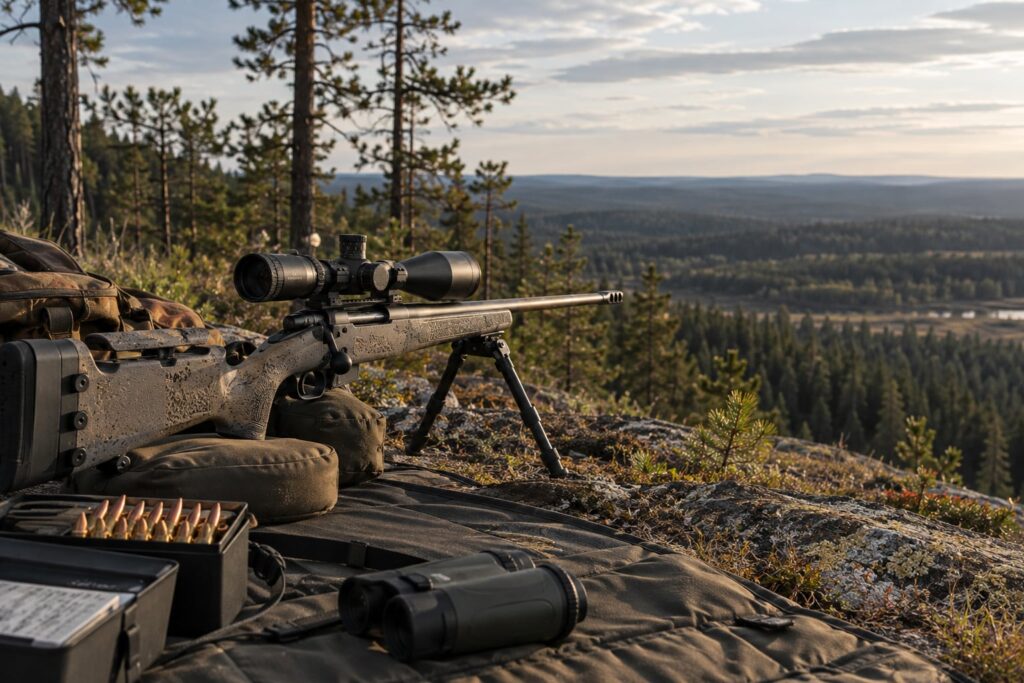
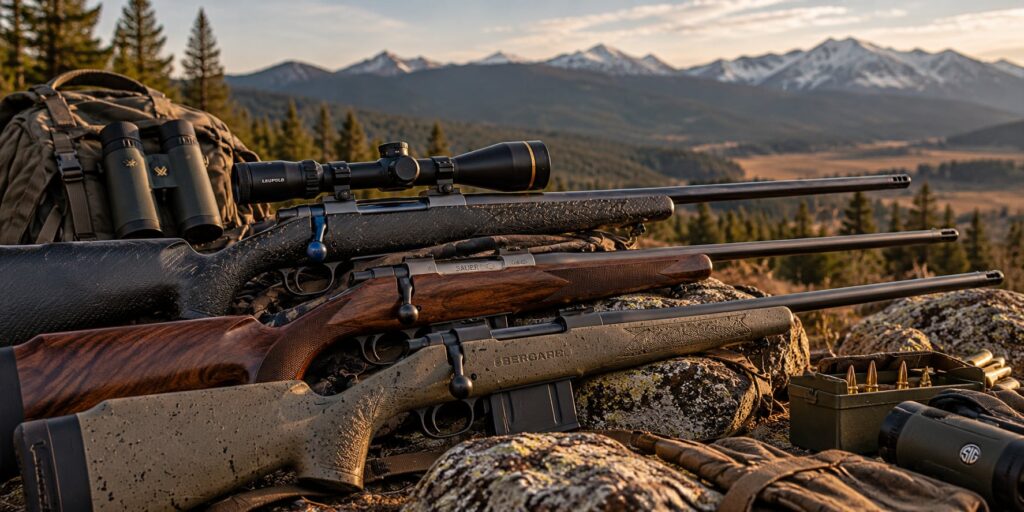
Bolt-action models vary considerably, from traditional wood-stocked sporting rifles to modern synthetic-stocked designs.
Manufacturers commonly associated with bolt-action sporting rifles include:
- Bergara: Known for its precision-oriented bolt-action platforms and barrel manufacturing heritage.
- Tikka: Recognized for streamlined rifle designs, consistent manufacturing, and smooth bolt operation.
- Sako: Associated with Finnish craftsmanship, refined finishing, and higher-end sporting rifles.
- Christensen Arms: Known for incorporating lightweight materials and carbon-fiber components into selected models.
- Weatherby: A longstanding sporting rifle manufacturer with a history of distinctive rifle designs and proprietary cartridges.
The important distinction is that these brands do not all emphasize the same qualities. Some focus on traditional craftsmanship, while others are associated with modern materials or precision-oriented engineering.
Lever-Action Hunting Rifles
Lever-action rifles occupy a distinctive place in American hunting history.
Their recognizable operating mechanism, traditional styling, and longstanding presence in sporting catalogs have helped maintain their popularity.
Although lever-action rifles are often associated with classic wood-and-steel designs, contemporary manufacturers also offer configurations incorporating modern finishes, synthetic furniture, and updated sighting arrangements.
Notable manufacturers include:
- Marlin: Known for traditional lever-action sporting rifles and established model families.
- Henry Repeating Arms: Recognized for a broad range of American-made lever-action firearms, including classic and modern configurations.
- Winchester: Historically associated with some of the most recognizable lever-action rifle designs.
For buyers interested in this category, manufacturer history, differences between model generations, and current factory specifications are useful research topics.
Semi-Automatic Hunting Rifles
Semi-automatic rifles represent a broad category that includes traditional sporting designs and more contemporary platforms.
Because the category encompasses several distinct mechanical systems and configurations, comparisons should focus on the specific model rather than assuming all semi-automatic rifles share the same characteristics.
Manufacturers with established histories in this category include Browning, Ruger, and Benelli, although their product lines differ substantially.
State hunting regulations can also differ regarding permitted firearm types, magazine capacity, and other equipment requirements. Hunters should verify applicable rules before purchasing or using a firearm.
What Different Rifle Brands Are Known For
A manufacturer’s reputation often reflects decades of product development, customer experience, and brand positioning.
However, reputations are generalizations, not guarantees about individual firearms.
| Manufacturer | Commonly associated characteristics |
|---|---|
| Bergara | Precision-oriented bolt-action designs |
| Tikka | Streamlined design and consistent manufacturing |
| Sako | Refined craftsmanship and premium sporting rifles |
| Christensen Arms | Lightweight materials and carbon-fiber construction |
| Weatherby | Traditional sporting heritage and proprietary cartridges |
| Browning | Broad sporting firearm heritage |
| Marlin | Traditional lever-action rifles |
| Henry | Classic and contemporary lever-action designs |
| Ruger | Wide-ranging sporting rifle catalog |
| Winchester | Historic American sporting rifle designs |
Buyers should compare current model specifications, manufacturer documentation, warranty terms, and independent reviews rather than relying exclusively on brand reputation.
Other Considerations Before Purchasing
Beyond the operating system and manufacturer, several practical factors deserve attention.
Overall dimensions and weight: Published measurements can help buyers understand differences between configurations.
Stock materials and construction: Traditional wood, synthetic materials, and composite construction have different characteristics and maintenance considerations.
Manufacturer support: Warranty policies, replacement-part availability, and service arrangements can influence long-term ownership.
Local regulations: Hunting rules and firearm ownership requirements vary by jurisdiction and may change over time.
Exact model identification: Similar-looking rifles can have different factory specifications. Buyers should confirm the complete model designation and manufacturer part number before ordering.
Final Thoughts
Bolt-action, lever-action, and semi-automatic rifles each have established roles in sporting history, but no single category defines the entire hunting rifle market.
Understanding how these designs differ, what manufacturers are known for, and how to verify individual model specifications provides a stronger foundation for researching a purchase.